Worried about a mature driver?
When we notice changes in someone's driving, it's not always an easy topic to raise – but it matters. Find practical advice to support the mature drivers in your life.
Driving can often represent freedom, confidence, and staying connected to everyday life for many mature drivers – and that can make starting a conversation around driving ability feel daunting. But if you've noticed changes in someone you care about, your concern is worth acting on. This page gives you the facts, the signs to look out for, and some practical ways to open the conversation with care.
Facts to consider
Between 2020 and 2024, on average, one in five (22%) collisions resulted in serious injuries involved drivers aged 60+. This increases to one in four when looking only at fatal collisions (24.8%).
With more than 850,000 drivers over 60 on Scotland’s roads, it is vital that, as we get older, we do everything we can to keep driving safely and confidently for as long as possible.
Signs to watch for
Some changes are gradual and easy to miss, especially if you only see the person occasionally. Look out for new dents or scrapes on the car, difficulty navigating familiar routes, or delayed reactions at traffic lights and junctions. It’s also worth noting if they become anxious or agitated as a passenger, misjudge gaps or distances, or start missing junctions and road signs.
It’s worth keeping in mind that many mature drivers are the first to recognise when something isn’t right – and may already be quietly worried. The right conversation, done with care, can be a relief rather than a confrontation.
Start the conversation
This topic can feel difficult to raise. Driving is closely tied to independence, and nobody wants to feel like their freedom is being questioned. But approaching it with empathy and curiosity can make a real difference.
-
"How are you finding driving these days – anything that feels different from a few years ago?"
-
"Do you ever find certain journeys more tiring than they used to be?"
-
"Is there anything about driving that you've started to avoid or feel less confident about?"
-
"Do you still feel comfortable driving at night?"
-
"If there are journeys you'd rather not do alone, I'm happy to come along – no pressure, just an option."
-
"I read about something called a Driver MOT – like a health check for your driving. Would you ever consider one?"
Fitness to Drive – National Roadshow
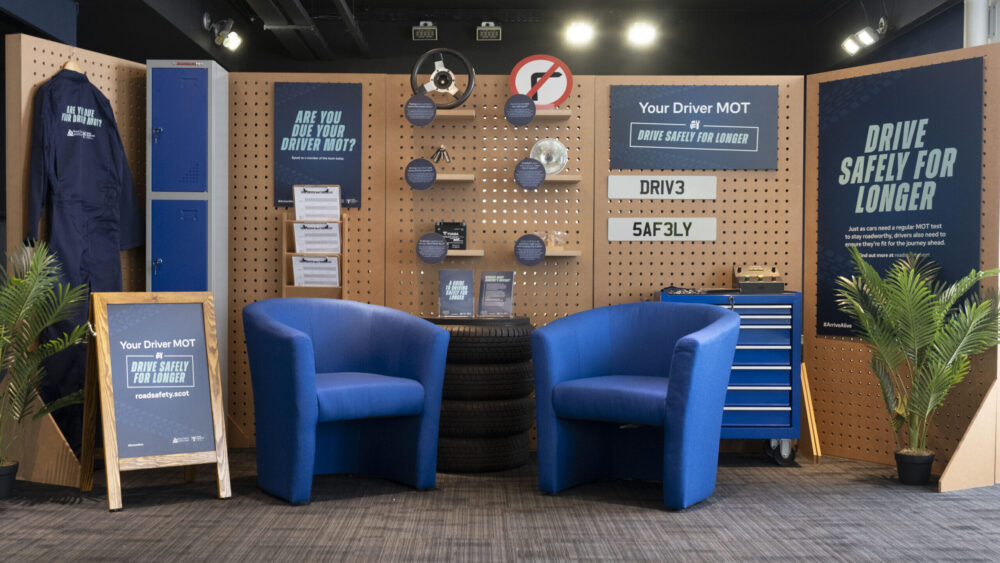
Throughout 2026, we will visit towns and cities across Scotland, talking to mature drivers about the changes to look out for as we get older and the steps that can be taken to keep driving safely for longer.
Our friendly fitness to drive team will be on hand to chat to drivers about their experiences and to provide tips and advice on steps that can be taken to remain safe behind the wheel. There will also be opportunities to find out more information about Mature Driving Reviews on the day and to sign up if you would like to try one.

Ways you can help
Helping a mature driver take steps to stay safe behind the wheel doesn’t have to mean difficult conversations or ultimatums. Often, the most effective support is practical – small actions that make a real difference to both their safety and their confidence on the road.
- Encourage regular eye tests
- Offer to accompany them on journeys
- Help with planning of longer trips to ensure they are taking regular breaks
- Consider reaching out to organisations such as iam RoadSmart, RoSPA, DriveAbility Scotland to undertake a review of driving abilities and for support in addressing any concerns around changes in driving
Ultimately, you have a joint goal – to help them stay independent and safe on Scotland’s roads for as long as possible. Framing your support around that shared aim makes every conversation easier to have.
More road user advice
Vehicle safety
Limits and laws
Related content
Useful links